
Tag
App development
03.06.2024 — App development
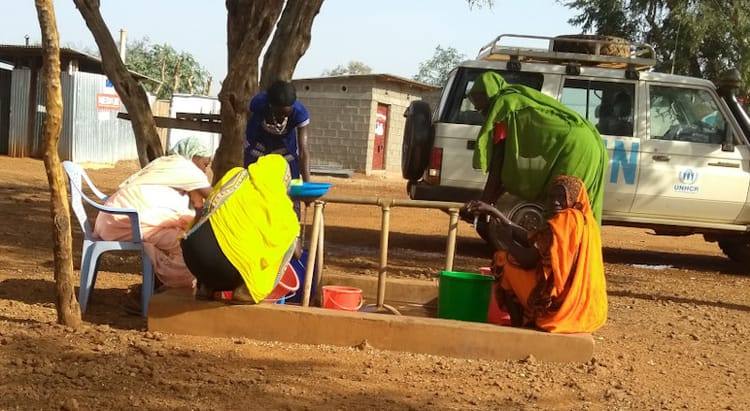
Water Trucking Software
Gnucoop has developed for Acted a universal, centralized software that aims to support, optimize and analyze water trucking operations globally. The system development has been recently completed and the application is currently being deployed in pilot countries. Once it reaches

03.06.2024 — App development
#tu6scuola
The # tu6scuola project was created to give a concrete answer to the causes of early school leaving. Through an integrated educational model, # tu6scuola involves 2 thousand girls and boys who attend the middle school cycle, their families, 350 teachers and people from the commun
03.06.2024 — App development
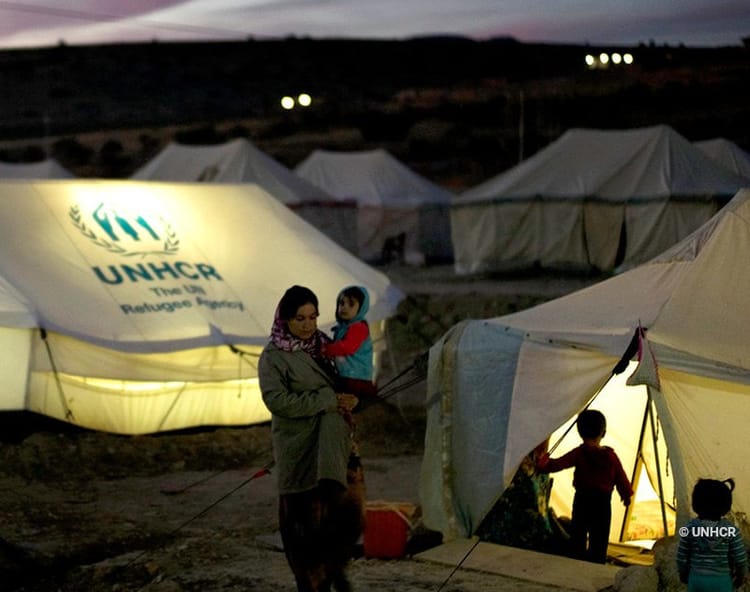
LIS & EIS UNHCR Platform
In 2017, Gnucoop was also awarded a second project by UNHCR, regarding the development of a web application for data display/analysis of Livelihood and Energy data from UNHCR camps worldwide. Data is collected using KoBoToolbox. The energy and livelihood platform is a webportal t
03.06.2024 — App development
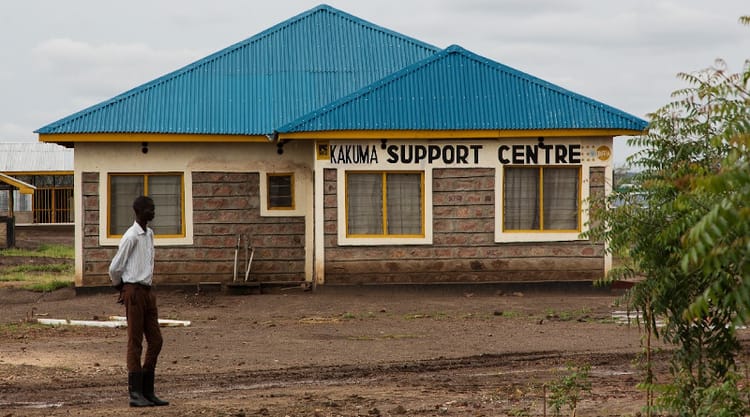
irHIS
Nell'aprile 2016 Gnucoop ha ricevuto l'incarico di riprogettare l'applicazione di UNHCR, Twine al fine di renderla più adatta alle esigenze attuali e future, superando i limiti dell'applicazione originale. Gnucoop ha fornito supporto a tutti i Paesi, dove l'app è stata pilotata.
03.06.2024 — App development
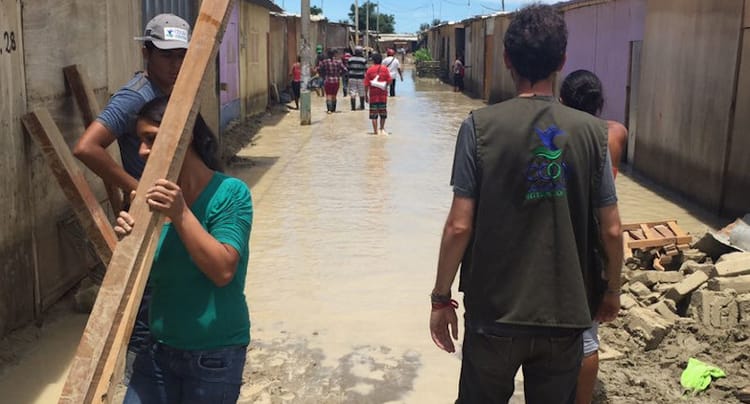
DRR
In 2017, Gnucoop developed a webGIS application for the Italian NGO COOPERAZIONE INTERNAZIONALE (COOPI), called YAGO, to gather information and locate resources, identifying critical issues, designing urban plans and understanding local vulnerabilities in order to increase popula
03.06.2024 — App development
CPA Web Platform
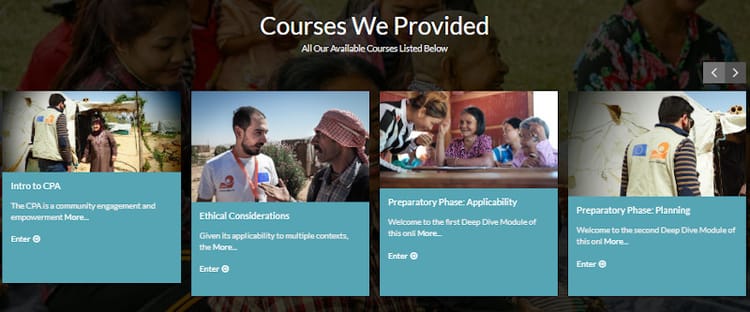
The Community Protection Approach (CPA) is a rights-based and data driven community empowerment and engagement process used to design multi-sector protection programs and shape the humanitarian and policy context towards ensuring more integrated, holistic, comprehensive and impar
03.06.2024 — App development
Cheese2School
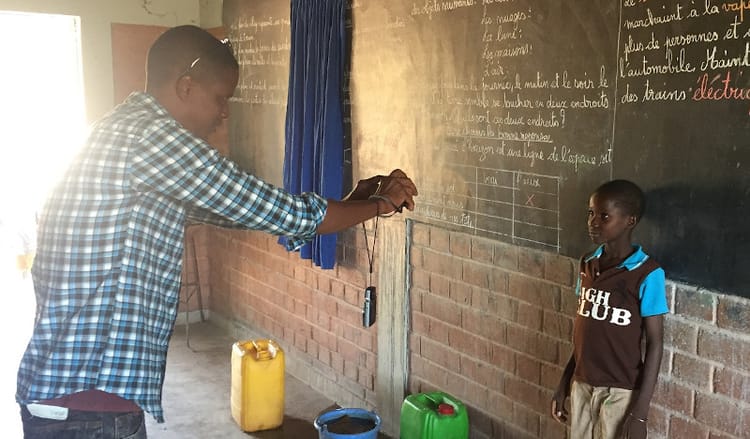
In Burkina Faso in rural villages primary schools, if they exist, are overcrowded (more than 50 child per class). Classrooms are often not enough, and several classes are combined in the same classroom. School attendance is collected manually. There is no structured and analytica